

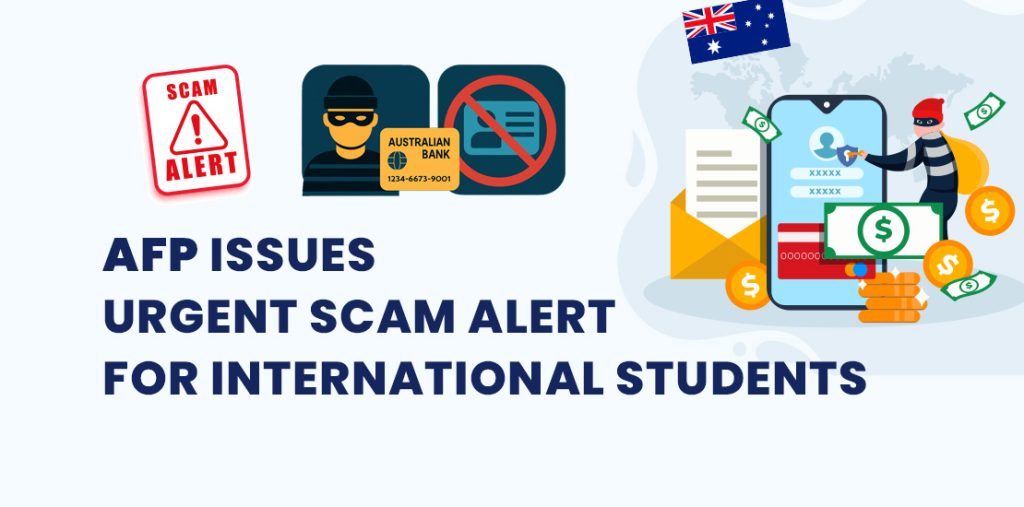
Students from overseas studying in Australia are facing more fake money tricks lately. The AFP just sounded the alarm after noticing sharp increases – particularly involving learners about to finish College/Universities or head back home. Institutions, agents, and students need clear info on what’s happening instead of waiting. These frauds often come through calls pretending to be officials, so checking facts matters now more than ever. This guide covers the dangers, warning signs – also how to respond.
What’s Happening?
The AFP reckons crime networks are targeting overseas students by promising fast money – often a few hundred bucks up front, along with a cut later on. In exchange, fraudsters demand:
- Australian bank accounts
- Photo ID – like a passport, driving permit, or state-issued card
Some can cause real harm. Tied to dirty cash, fake IDs, or worse – serious offenses. Students might end up breaking laws without even knowing it. That could mean trouble with the law, losing money, or messing up life down the road.
Why International Students Are Being Targeted
Scammers target:
- Young people leaving College/Universities
- People getting ready to return to their home country
- People who want quick cash or a side job
With graduation and relocation pressure, these scams can seem legitimate – so awareness is more important than ever.
What Education Providers and Agents Should Do
To keep students safe while stopping more damage, institutions and migration/education agents must:
- Pass this warning around – tell every overseas student you know
- Prioritise graduating students and those close to returning home
- Talk about avoiding scams during orientation sessions – also bring it up in workshops or one-on-one chats
- Keep up with students who might struggle money-wise
- Proactive communication can stop students from getting into high-risk situations.
For Students: How to Stay Safe
Your personal details, ID, or banking access – they matter. Protect them using a few smart moves:
- Never share your bank account or personal details No company, rep, or group ever needs complete control over your banking info.
- Never let someone else use your bank account This trick’s often used to hide dirty cash.
- When something feels off, just walk away Any deal promising quick money without much work? That’s suspicious.
If You Think You’ve Been Scammed
- Hurry up. Doing something today might reduce harm
- Quit chatting with the fraudster
- Get in touch with your bank – or another money service – for support
- Report to Police via ReportCyber
- Report to ScamWatch to help others
- Contact IDCARE when someone steals your identity
- Find comfort through
Lifeline: 13 11 14 – Lifeline – always open
Beyond Blue: 1300 224 636 – Beyond Blue (24/7)
You are not alone and support is available every step of the way.
Stay Safe
For the full alert, students and education providers can go directly to the official AFP warning. Staying informed is the best way to stay safe.